Author: Tipu Sultan


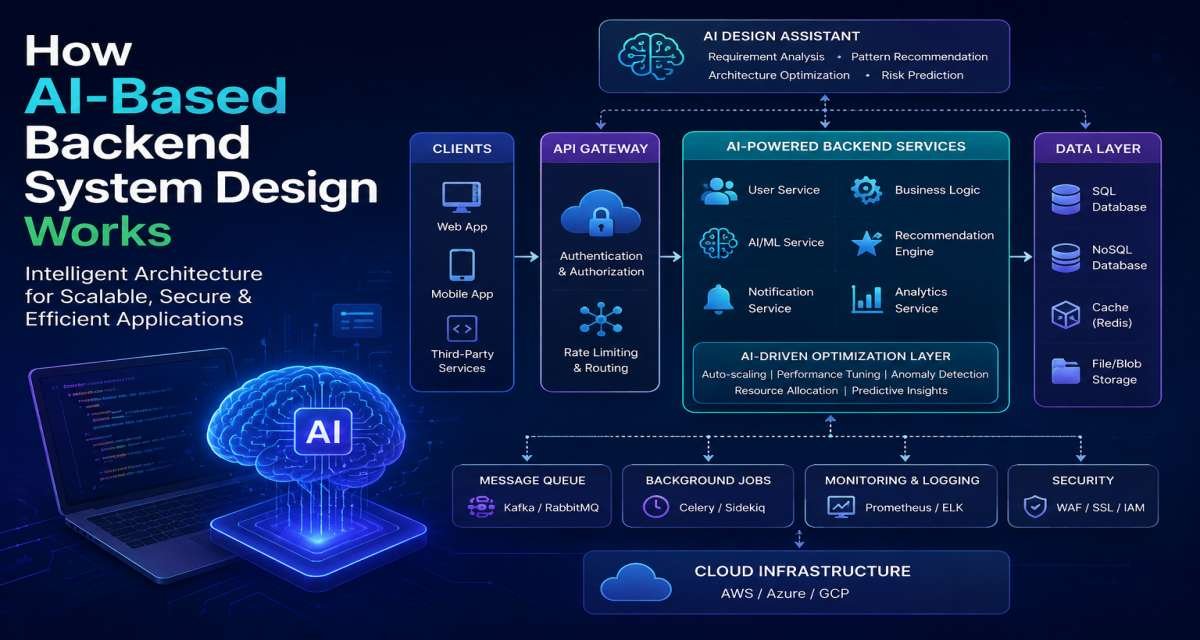
How AI-Based Backend System Design Works: A Complete Guide 2026
AI-based backend system design means building a normal backend architecture in which one or more parts of the application depend on AI models for tasks such as classification, retrieval, summarization, generation, extraction, recommendation, or workflow assistance. The AI model does not replace the backend. The system still needs APIs, authentication, authorization, databases, queues, business rules,…
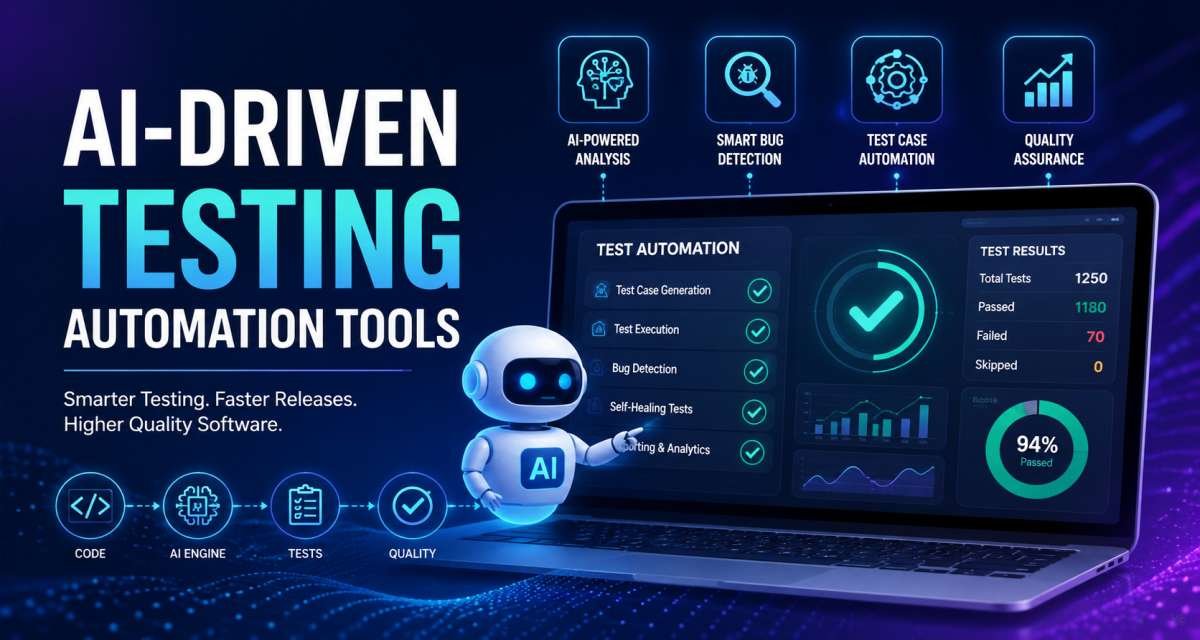
AI-driven testing automation tools: Best Tools for Faster Software Testing
AI-driven test automation tools can help software teams generate test ideas, draft automated tests, analyze failures, detect visual changes, and maintain test suites as products evolve. Their value is not that they remove QA work. They reduce repetitive testing effort while helping developers and testers get useful feedback earlier. The main challenge is deciding where…
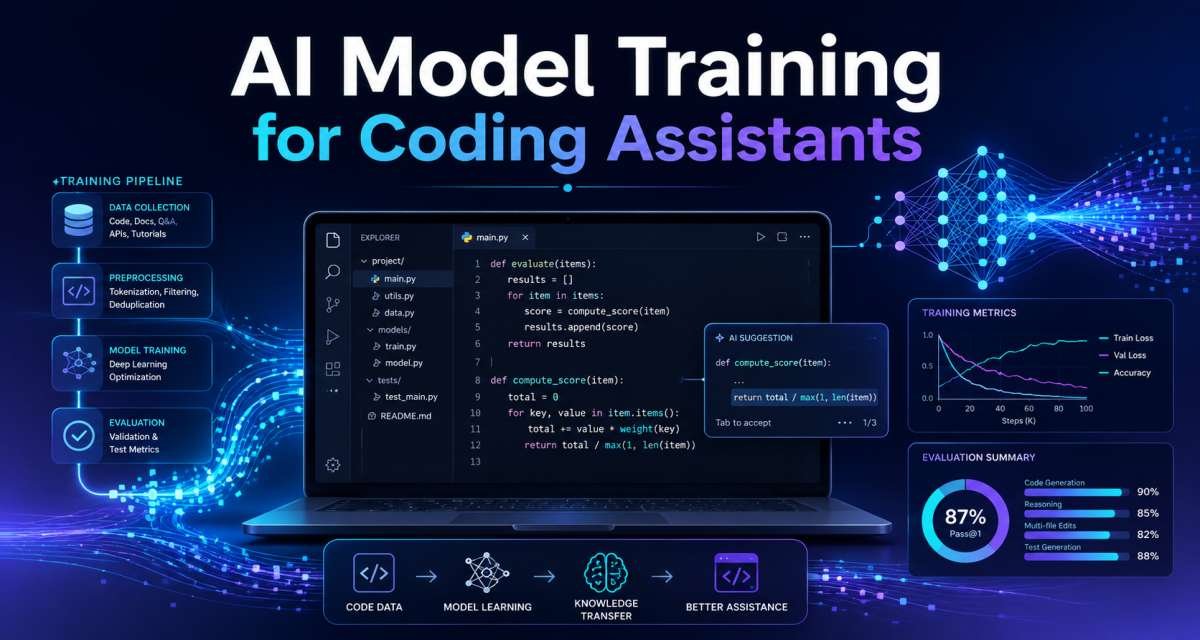
AI Model Training for Coding Assistants: How It Works
AI model training for coding assistants teaches a language model to work with a programming language, source code, technical documentation, developer instructions, tests, errors, and software-development patterns. The goal is not simply to make a model produce more code. A useful coding assistant must connect natural-language requests with software patterns, follow instructions, generate or modify…
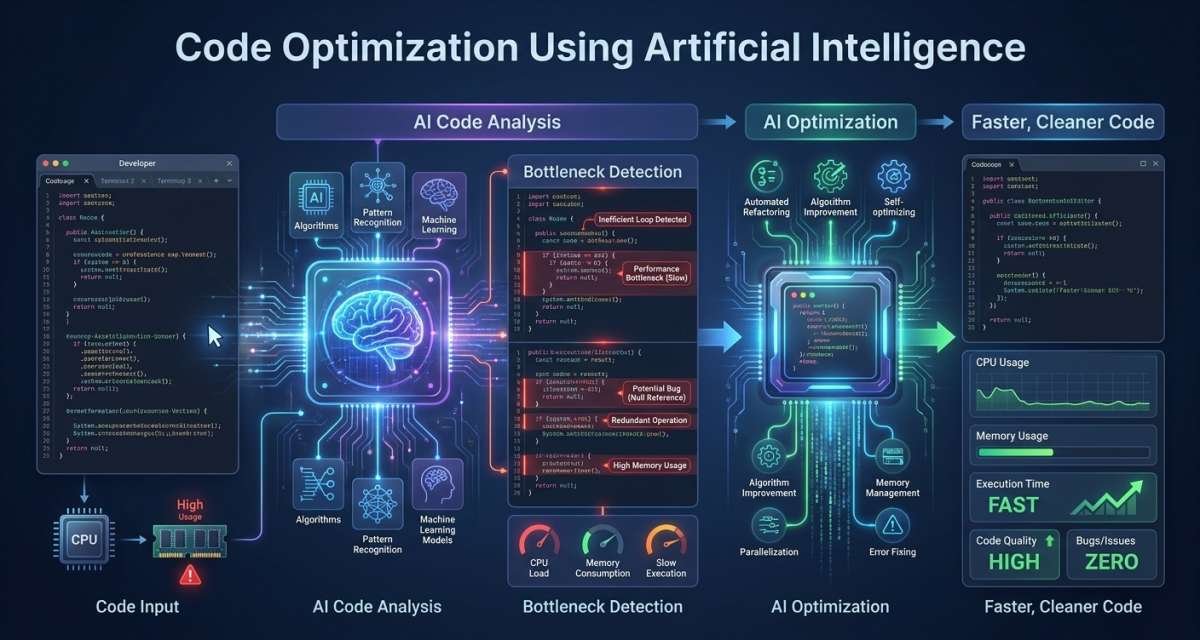
Code Optimization Using Artificial Intelligence: A Practical Developer Workflow
Code optimization using artificial intelligence can help developers improve the performance, structure, readability, testing, and maintainability of existing software. The useful part is not asking AI to rewrite an entire codebase. It is giving AI a specific engineering problem and using its suggestions inside a normal development and review process. That distinction matters because clean-looking…
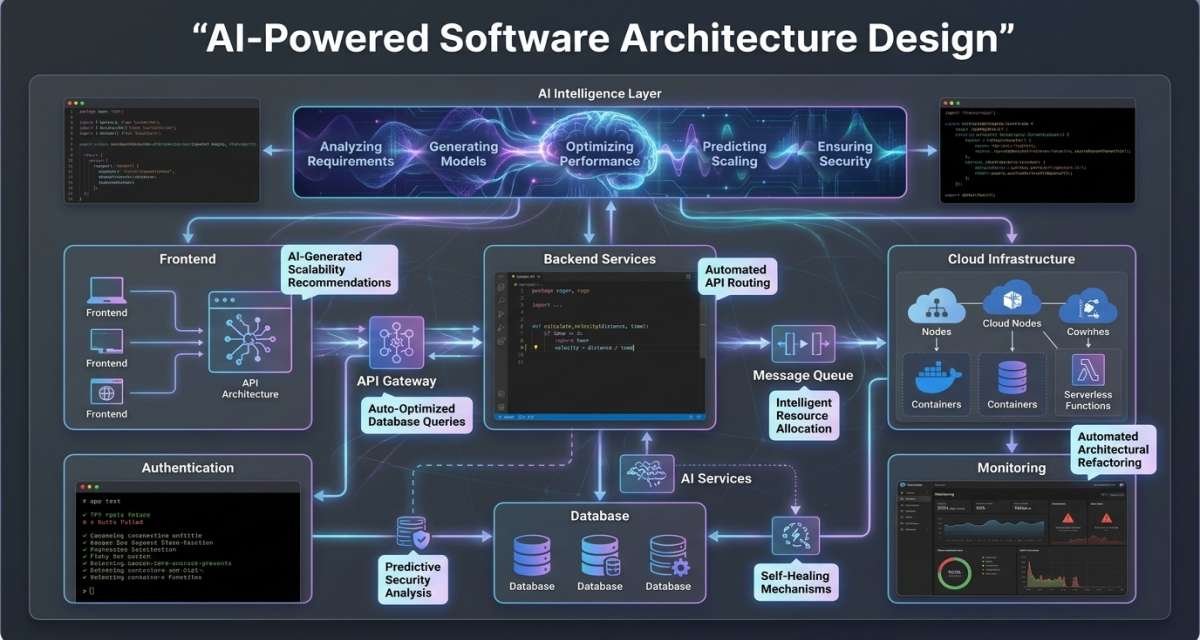
AI-Powered Software Architecture Design: Practical Guide
AI can help software teams turn rough requirements into architecture options, compare trade-offs, draft decision records, create diagram outlines, and identify design risks with the right AI tools for software developers. But architecture still depends on human judgment. Business goals, engineering skills, security requirements, cost limits, performance expectations, existing systems, and future product changes all…
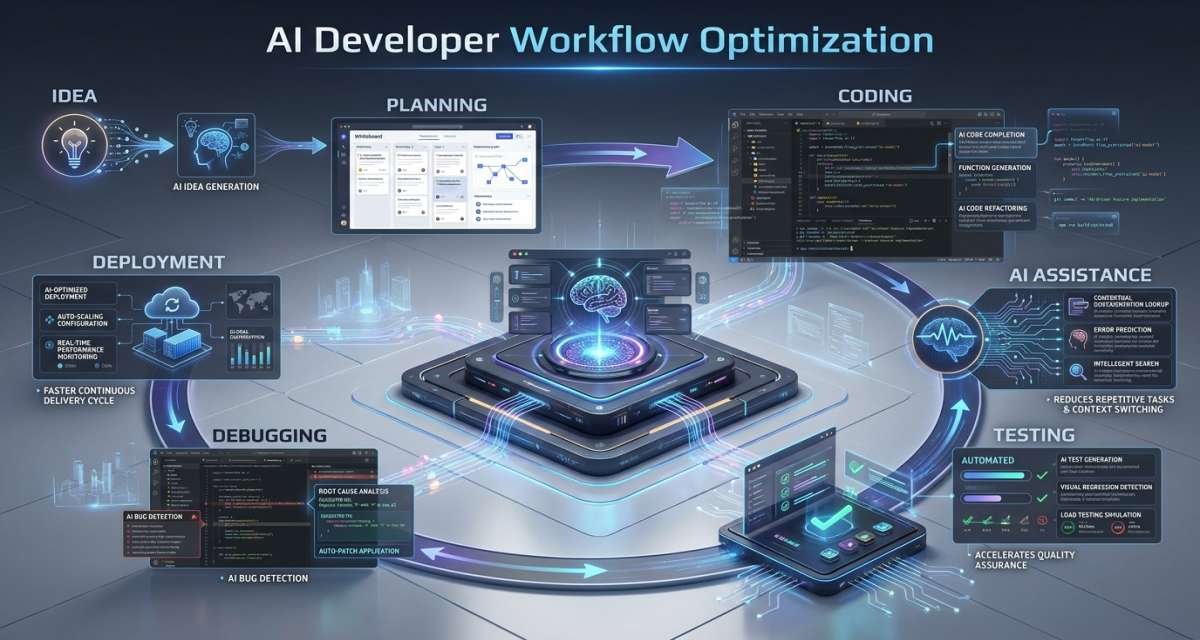
AI Developer Workflow Optimization: Practical Guide 2026
AI can help developers plan tasks, understand unfamiliar code, draft changes, generate tests, debug problems, review pull requests, and update documentation. The value, however, does not come from generating as much code as possible. AI developer workflow optimization means using AI to reduce friction across the software delivery process while keeping developers responsible for correctness,…
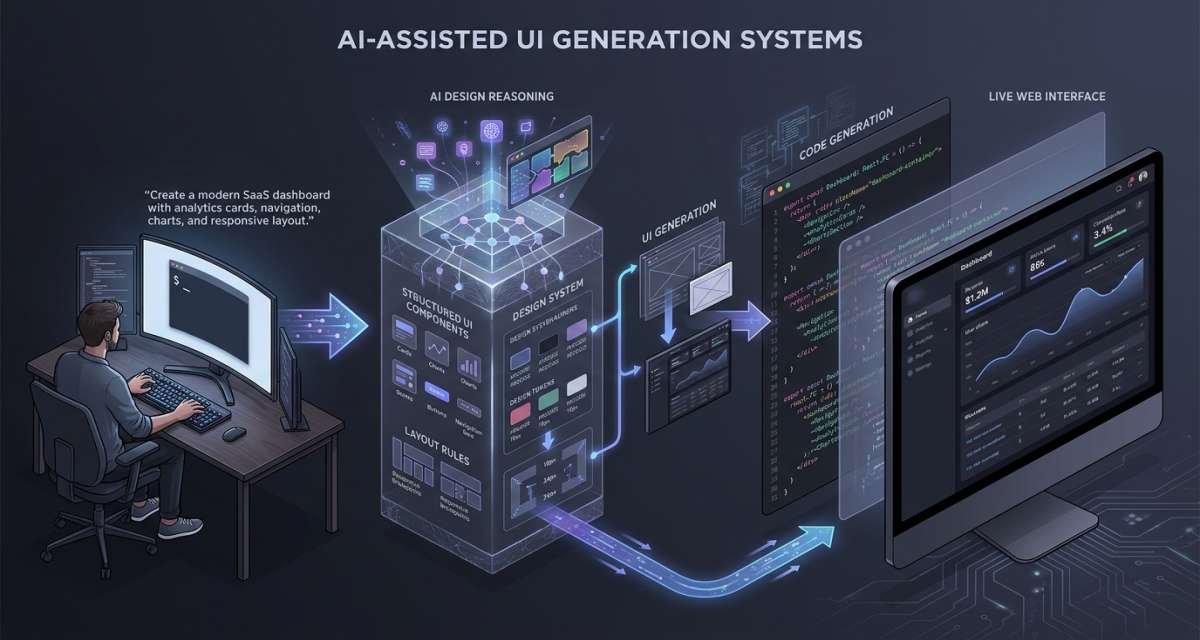
AI-Assisted UI Generation Systems: Practical Guide
A product team can describe a dashboard, onboarding flow, settings page, landing page, or mobile screen and receive a usable first draft within a short workflow. Depending on the system, the result may include layouts, components, copy, styling, prototypes, or frontend code. That is the practical purpose of AI-assisted UI generation systems: turning product requirements,…
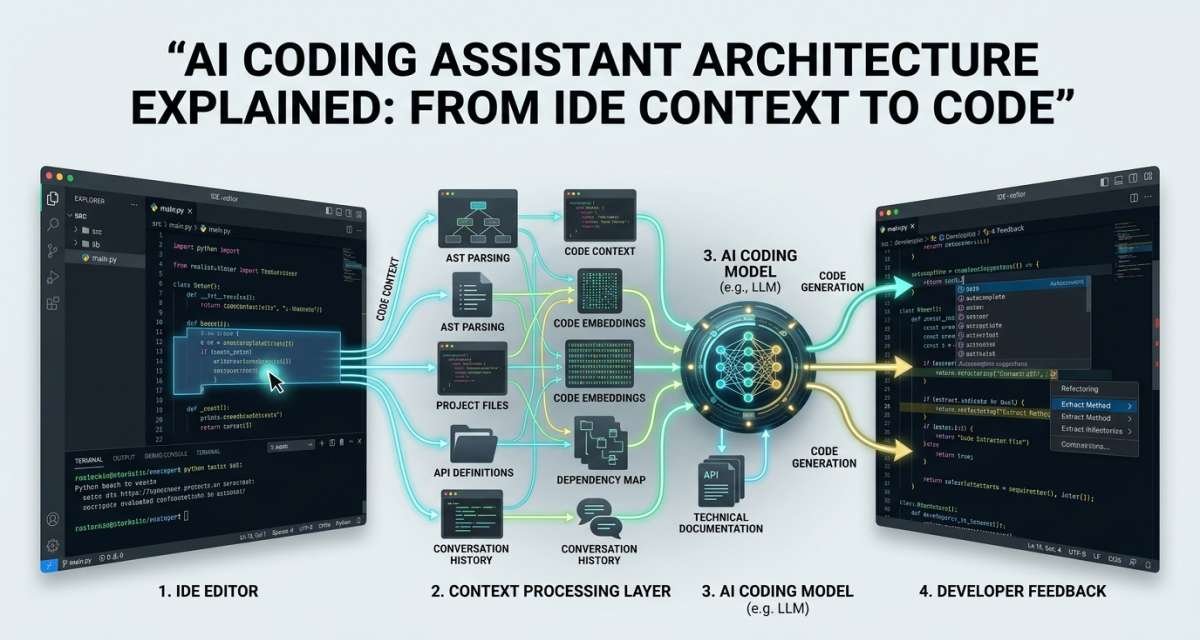
AI Coding Assistant Architecture Explained: From IDE Context to Code
An AI coding assistant is more than a language model attached to a code editor. A useful coding system has to understand developer intent, identify relevant project context, find related files, build a model request, generate an answer, present changes clearly, and give the developer a way to review the result. Explore AI tools for…
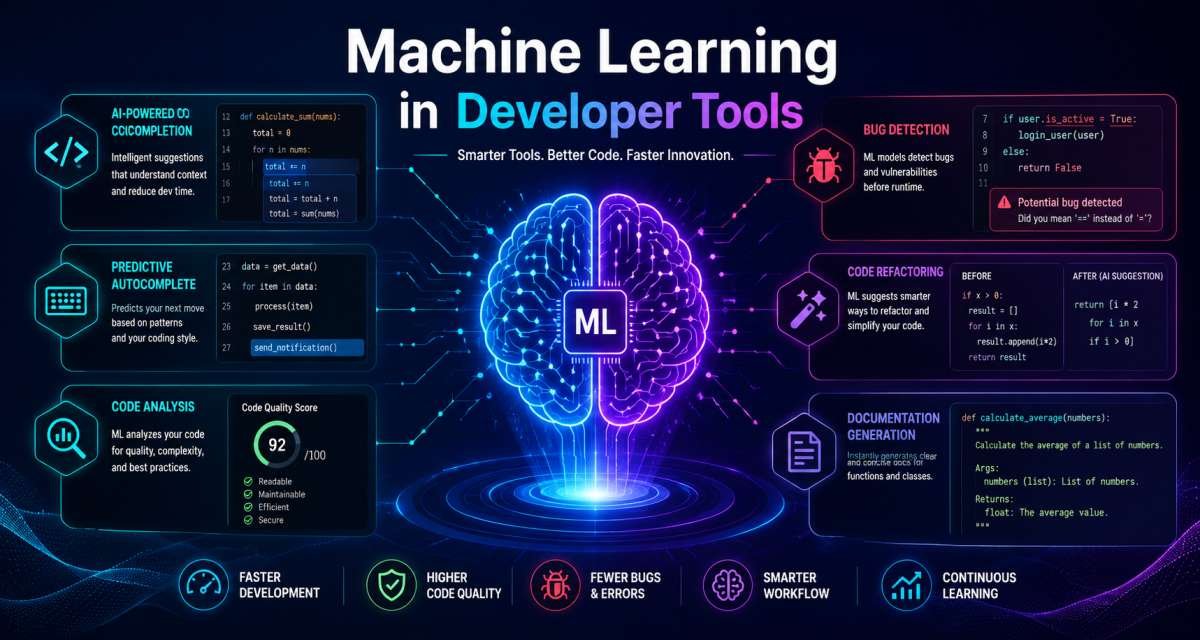
Machine Learning in Developer Tools: Practical Guide 2026
Machine learning in developer tools means using AI models to help developers write, review, test, debug, document, and maintain software. These tools do not remove the need for engineering judgment. They handle support tasks so developers can spend more time on logic, solving product problems, and improving code quality. This guide is primarily for software…
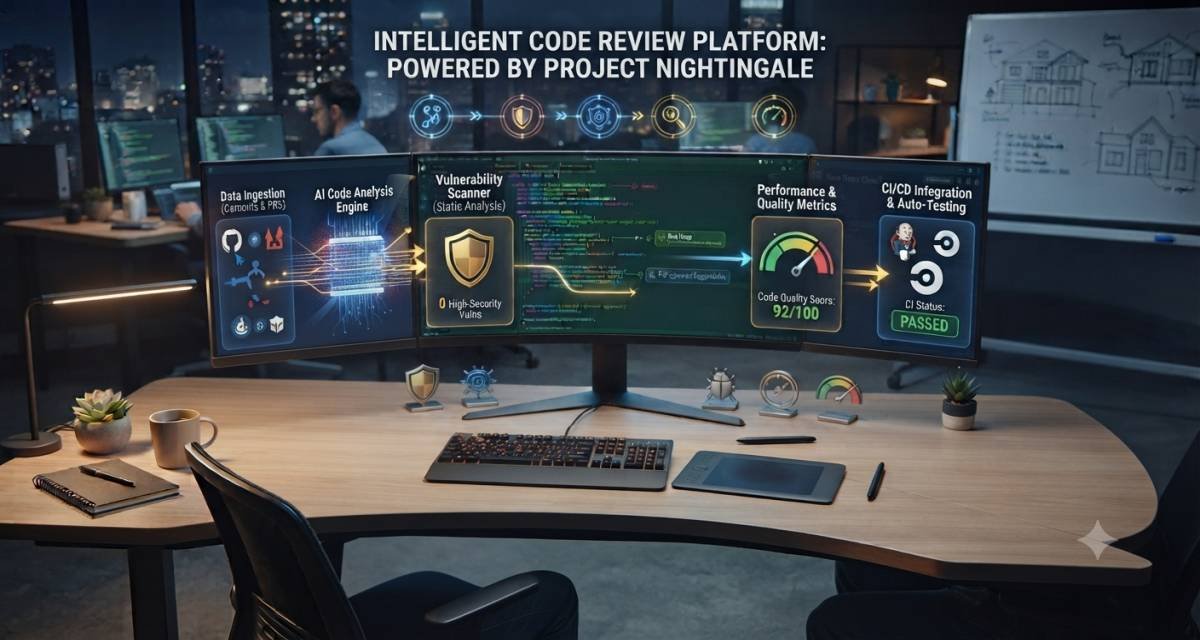
AI Code Review Systems: How They Work and How Teams Should Use Them
Ai code review systems use AI, automation, and code analysis to help software teams review changes before they are merged. They can scan pull requests, explain risky changes, suggest improvements, flag missing tests, and help reviewers focus on higher-value decisions. They do not replace human reviewers. A good review process still needs developer judgment, testing,…