Category: Developer Tools

7 Best AI Tools for Android Developers in 2026
Android AI coding tools now cover much more than Kotlin autocomplete. Developers can ask an agent to create a Jetpack Compose screen, investigate a Gradle failure, analyze Logcat output, generate tests, inspect an emulator, render Compose previews, or build a complete native Android prototype from a prompt. The biggest difference between these tools is Android…
7 Best AI Tools for iOS Developers in 2026
AI development on Apple platforms changed significantly with Xcode 26. iOS developers can now use coding agents directly inside Xcode to inspect projects, edit Swift files, build apps, run tests, search Apple documentation, and fix errors. Xcode can also connect external agents through the Model Context Protocol and, from Xcode 26.6, the Agent Client Protocol.…
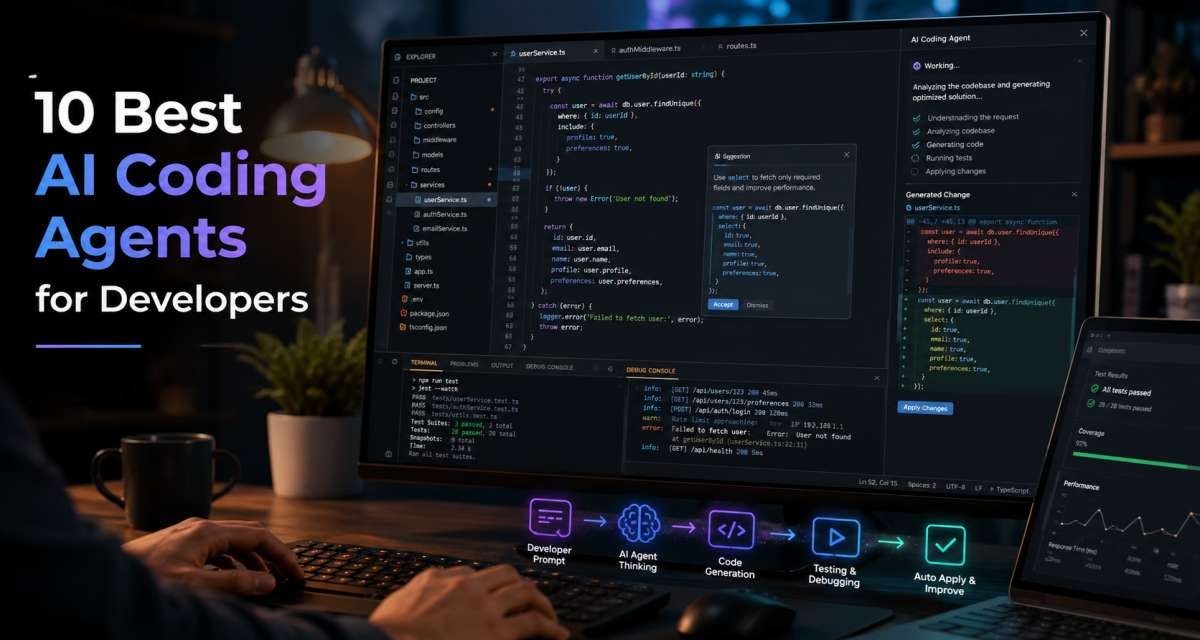
10 Best AI Coding Agents for Developers in 2026
AI coding agents differ from basic code assistants. Instead of stopping at autocomplete or answering programming questions, an agent can inspect project files, plan changes, edit multiple files, call tools, execute shell commands, run tests, and iterate on the result. The main decision is no longer which model writes good code. Developers also need to…
CI/CD Automation Using Artificial Intelligence: How It Works
CI/CD pipelines already automate predictable work such as building code, running tests, scanning dependencies, and deploying approved releases. Artificial intelligence adds a different capability: it can interpret code, logs, test failures, pull requests, security alerts, and deployment signals that are harder to handle with fixed rules alone. That makes CI/CD automation using artificial intelligence most…
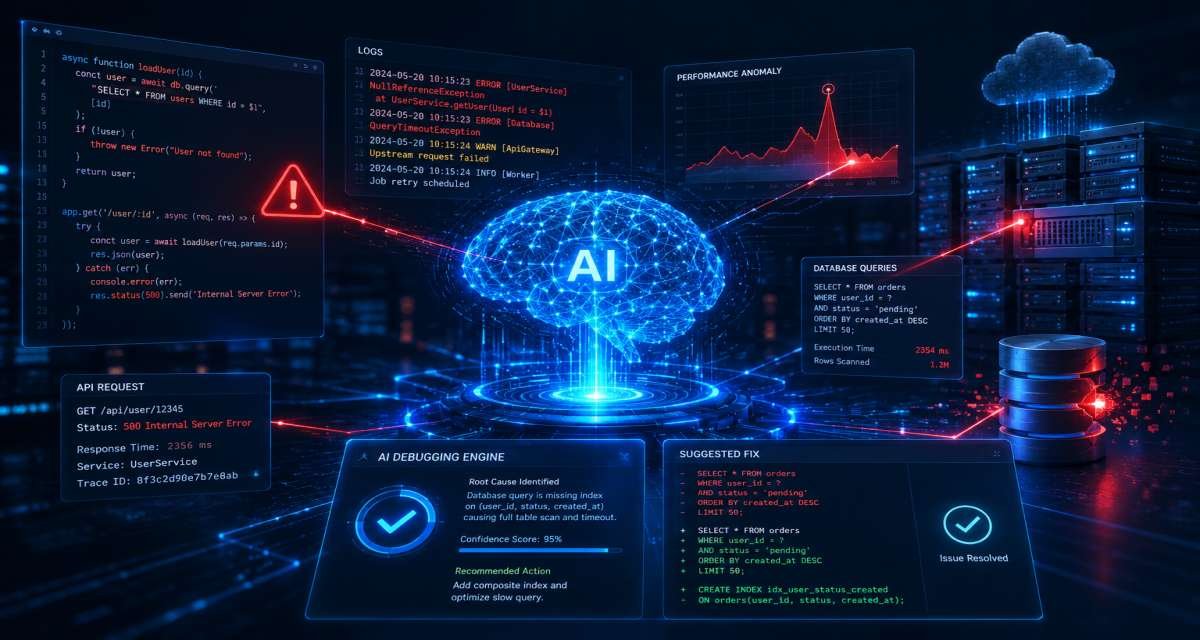
AI-Based System Debugging Methods: Practical Guide
A bug rarely arrives with a clear explanation. More often, it appears as a failing test, an unexpected error, a slow endpoint, a broken deployment, or a user report that something stopped working. AI can shorten the investigation by explaining errors, reading stack traces, summarizing logs, identifying suspicious code paths, suggesting likely causes, drafting tests,…
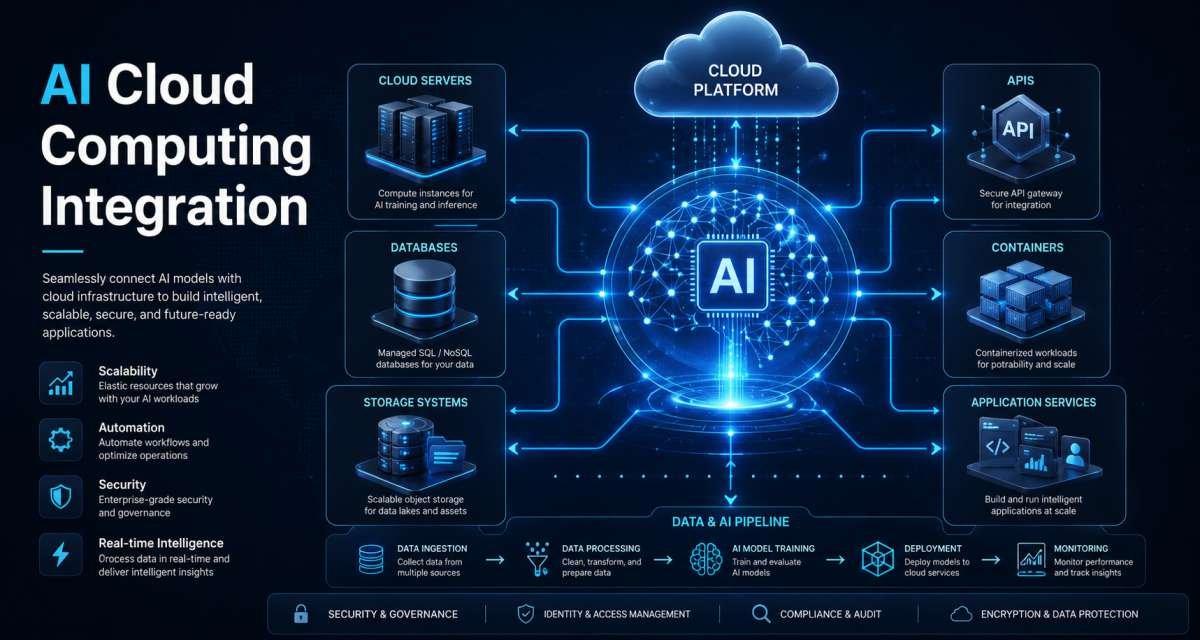
AI Cloud Computing Integration: How It Works in Practice
AI becomes useful inside a business when it connects with real data, applications, users, and workflows. A model working on its own does not resolve a support request, analyze company documents, explain a cloud incident, update a product workflow, or help a user make a decision. AI cloud computing integration is the process of connecting…
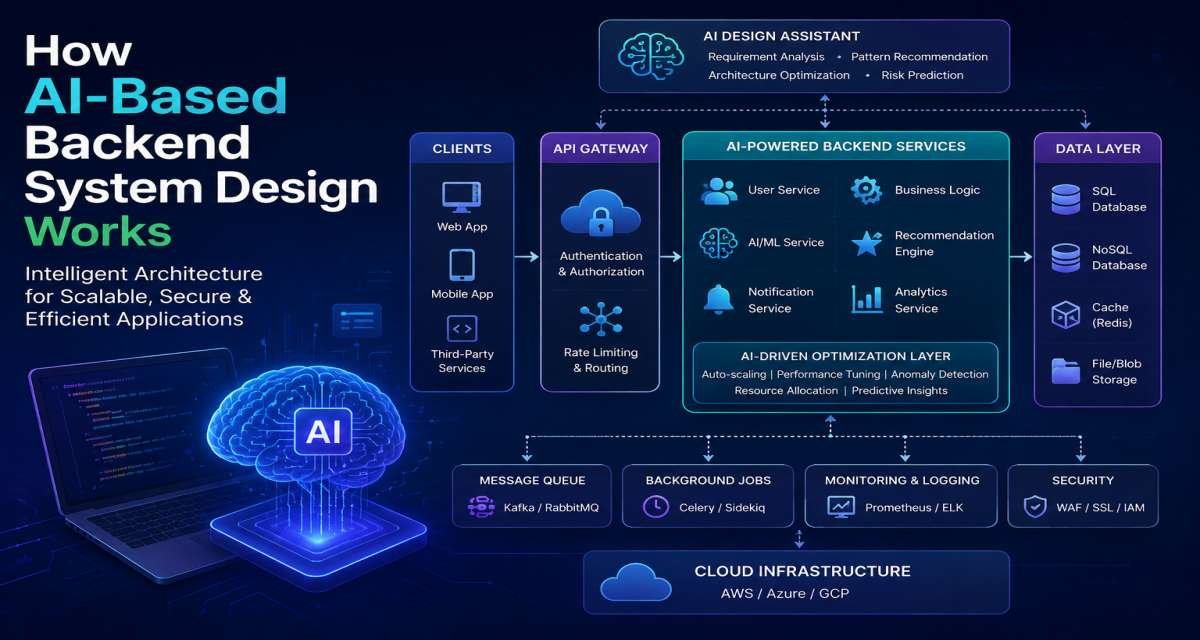
How AI-Based Backend System Design Works: A Complete Guide 2026
AI-based backend system design means building a normal backend architecture in which one or more parts of the application depend on AI models for tasks such as classification, retrieval, summarization, generation, extraction, recommendation, or workflow assistance. The AI model does not replace the backend. The system still needs APIs, authentication, authorization, databases, queues, business rules,…
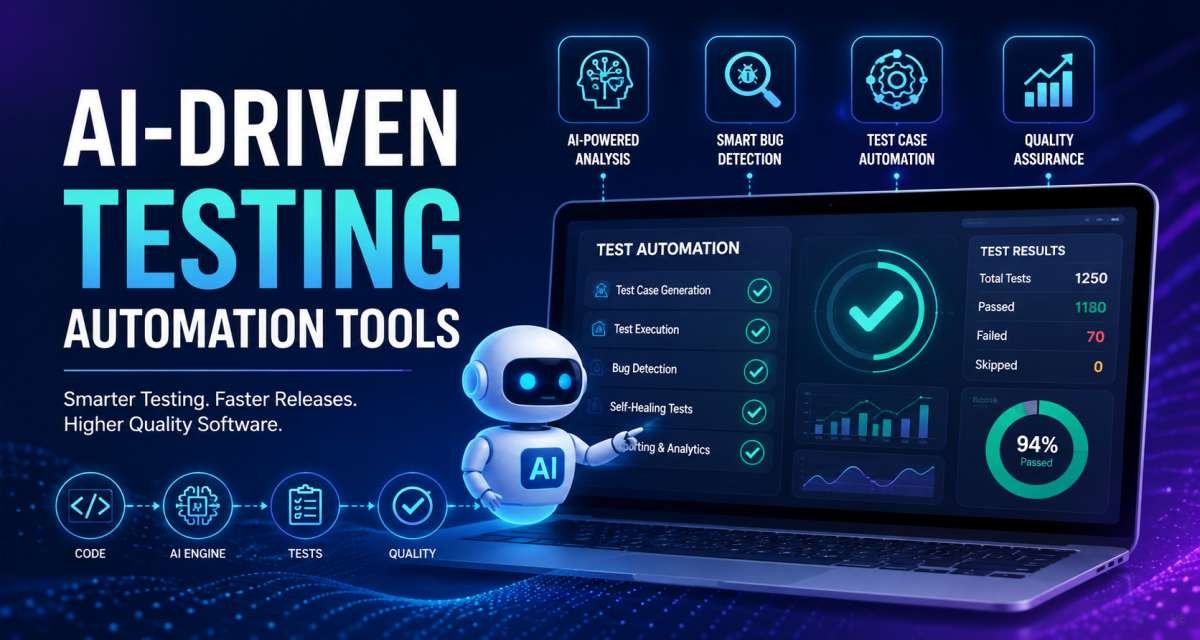
AI-driven testing automation tools: Best Tools for Faster Software Testing
AI-driven test automation tools can help software teams generate test ideas, draft automated tests, analyze failures, detect visual changes, and maintain test suites as products evolve. Their value is not that they remove QA work. They reduce repetitive testing effort while helping developers and testers get useful feedback earlier. The main challenge is deciding where…
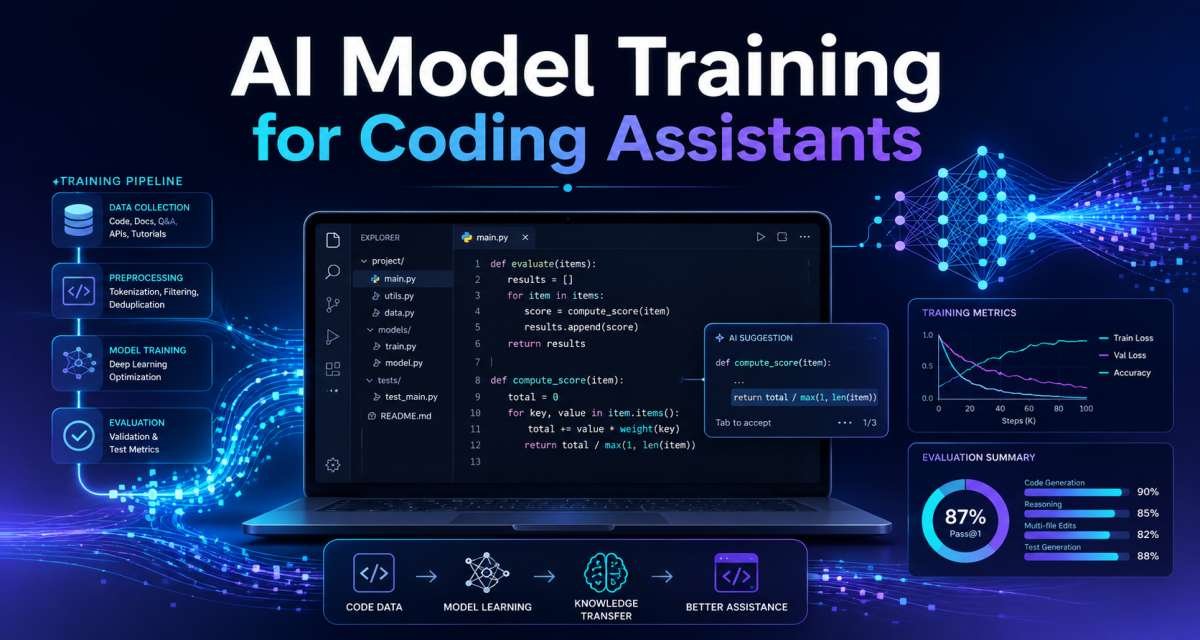
AI Model Training for Coding Assistants: How It Works
AI model training for coding assistants teaches a language model to work with a programming language, source code, technical documentation, developer instructions, tests, errors, and software-development patterns. The goal is not simply to make a model produce more code. A useful coding assistant must connect natural-language requests with software patterns, follow instructions, generate or modify…
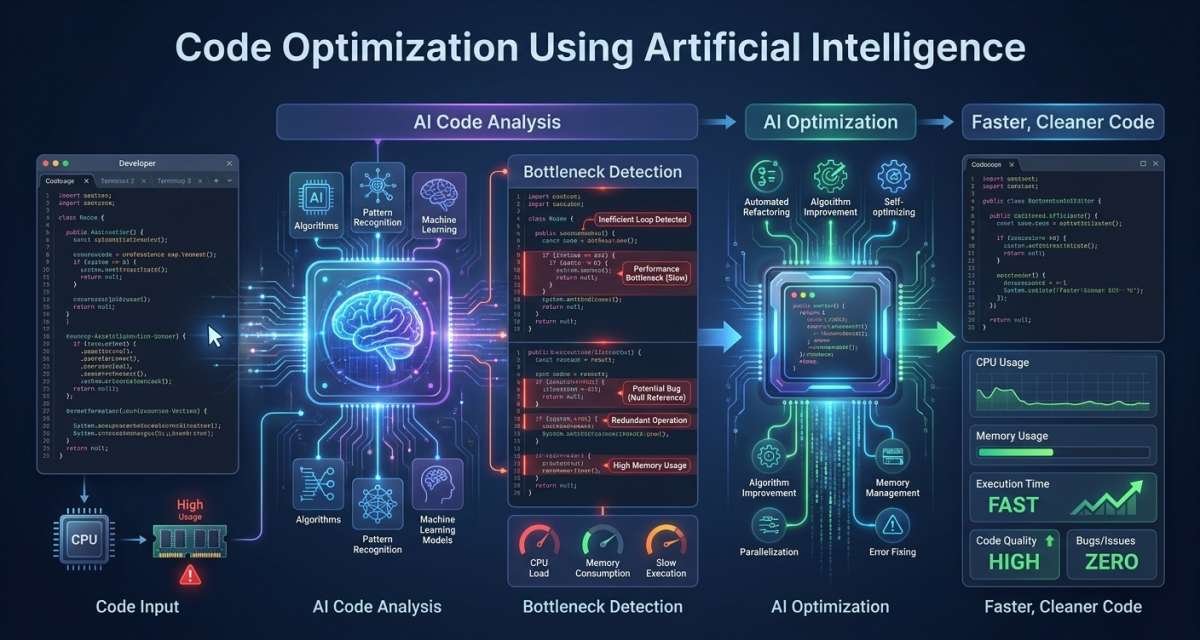
Code Optimization Using Artificial Intelligence: A Practical Developer Workflow
Code optimization using artificial intelligence can help developers improve the performance, structure, readability, testing, and maintainability of existing software. The useful part is not asking AI to rewrite an entire codebase. It is giving AI a specific engineering problem and using its suggestions inside a normal development and review process. That distinction matters because clean-looking…