
Author: Tipu Sultan

-
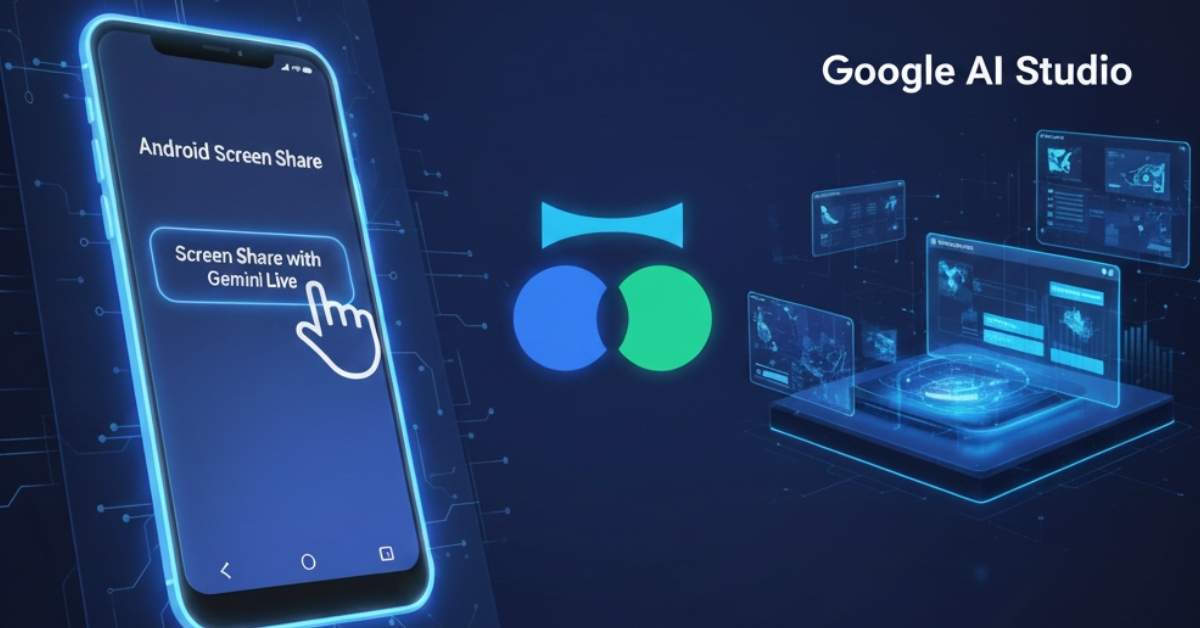
How to Use Google Gemini Screen Share on Android and AI Studio
To screen share with Gemini on Android, hold the power button, tap Share screen with Live, and start speaking. In Google AI Studio, open a Live session, click Share screen, pick a tab or window, and Gemini will respond in real time. What You’ll Learn Here I’ve been testing Gemini since Google started rolling out…
-
How to Use Gemini’s 2M Context Window: A Step-by-Step Guide
Unlocking the Power of Gemini’s 2M Context Window The world of AI is constantly changing, and Gemini’s 2M token context window is one of the most exciting things about it. If you’ve ever had to look at long documents, complicated datasets, or even inputs from more than one source, this feature can really help. But…
-
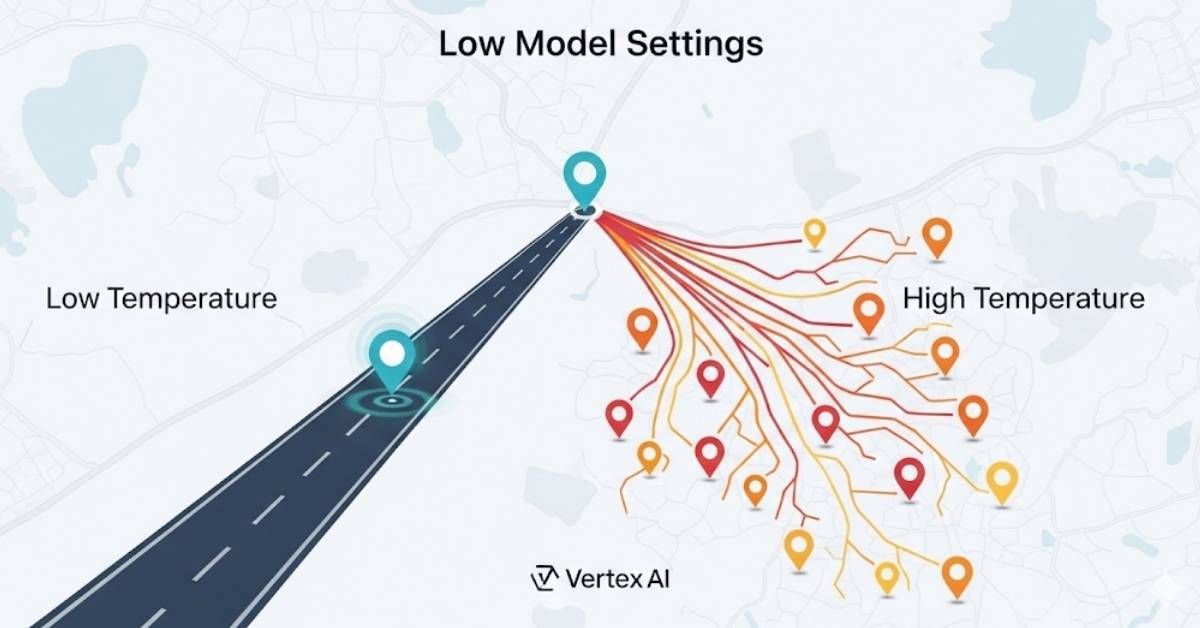
What Temperature to Use for Vertex AI: Maximize Performance Now
One of the most important things you can change when working with AI models is the temperature setting. Knowing the best Temperature to use when using Vertex AI for content creation, customer service, or data analysis can have a significant effect on the results you get. Recently, I explained how to fine-tune settings for Gemini;…
-

How To Use ChatGPT Deep Research: Fascinating Proven Tips
You’re not the only one who has ever wondered how to use ChatGPT deep research. There is so much information out there today that it can be hard to know where to begin. AI-powered tools like ChatGPT can make things easier, allowing you to organize, analyze, and combine complex data more quickly. In this article,…
-

Best Personal AI Assistants: Streamline Your Life in 2025
We’ve all been there—drowning in endless meetings, emails, and to-do lists that seem to multiply no matter how many you check off. Do you ever feel like there’s not enough time in the day? I’ve definitely been in that situation, and it was around that time that I discovered the actual value of personal AI…
-
How to Use Gemini 2.5 Pro (Complete Beginner’s Guide)
I still remember the first time I explored how to use Gemini 2.5 Pro. It felt like switching from a regular assistant to one that thinks faster and responds smarter. Google has pushed its Gemini models further, and this version makes coding, writing, and problem-solving much easier. If you are a developer, a coder using…
-
Default Temperature Settings to Use for Gemini AI (With Real Examples)
Ever ask Gemini a question and get a reply that felt totally off? Too random, too weird, or just plain wrong? Yeah, I’ve been there. When I first started using Gemini, I didn’t realize how much the default temperature settings to use for Gemini AI could change what you get back. That little number? It’s…
-

Google AI Studio vs Gemini vs Vertex AI: Which Is Superior?
Google AI Studio, Gemini, and Vertex AI are three platforms that offer powerful tools for developers and data scientists. Each one brings something different to the table, making it tricky to choose the right one. I’ve worked with all three, and I’m here to help you figure out which one is best for you. In…
-

What is the Raygor Graph? A Simple Guide to Readability
Have you ever tried reading something and thought, “This is way too complicated!”? We’ve all been there. Some writing feels simple to read, while other texts leave you scratching your head. That’s where the Raygor Graph comes in. It’s a simple tool that helps determine how straightforward (or complex) a piece of writing is to…
-

Fry Readability Graph Insights You Need to Know
The first time I used the Fry readability graph, I was sitting with a stack of old textbooks, trying to guess which ones were “too hard” for the students in front of me. I felt like I was gambling. Some pages looked fine to me, but when the students tried to read, they froze halfway…